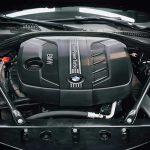
The BMW G30 5 Series, produced from 2017 onward, is widely regarded as a comfortable, refined and technologically advanced executive car. It combines excellent driving dynamics with a long list of electronic features and increasingly complex mechanical systems. However, like any modern BMW, the G30 is not immune to faults.
While reliability can vary significantly depending on the engine, mileage, maintenance history and driving conditions, there are several components that owners and buyers should pay particular attention to. Here are five of the most common things that can fail or cause problems on a BMW G30.
1. Suspension Components
The G30’s suspension provides an excellent balance between comfort and handling, but the number of components involved means there are several potential wear points as mileage increases.
Control arm bushings, ball joints, stabilizer links and other suspension components can eventually develop play or wear. Symptoms can include knocking noises over bumps, vague steering, uneven tyre wear or a feeling that the car is no longer as tight and precise as it was when new.
Cars equipped with adaptive suspension or electronically controlled dampers also have additional components that can become expensive to replace. Air suspension on models that use it can introduce another potential source of problems.
The good news is that suspension wear is generally straightforward to diagnose. If you’re buying a used G30, pay attention to unusual noises during a test drive and have the car inspected on a lift before purchasing.
2. Cooling System Components
BMW’s modern engines rely heavily on sophisticated cooling systems, and the G30 is no exception. Depending on the engine, common failure points can include the water pump, thermostat, coolant hoses and various plastic components in the cooling system.
An electric water pump failure, for example, can cause the engine to overheat if it isn’t addressed quickly. Coolant leaks can also develop as plastic components age and become brittle.
Warning signs include low coolant levels, visible coolant residue, overheating warnings or a sweet smell after driving. Some leaks may be difficult to spot because coolant can escape slowly and evaporate on hot engine components.
Preventative maintenance is particularly important here. If the car is losing coolant, don’t simply keep topping it up. Find the source of the leak and repair it before a relatively inexpensive cooling-system problem becomes an engine-damaging overheating event.
3. Electrical and Electronic Problems
One of the G30’s biggest advantages is also one of its potential weaknesses: electronics.
The car contains a large number of control modules, sensors, cameras and communication systems. Problems can therefore range from a simple faulty sensor to more complicated electrical faults.
Owners may encounter issues with parking sensors, cameras, comfort-access systems, power windows, battery management or infotainment functions. A weak or ageing battery can also create strange electrical symptoms because modern BMWs are particularly sensitive to voltage levels.
If you start seeing several unrelated warning messages at the same time, don’t automatically assume that multiple components have failed. A diagnostic scan and proper battery/charging-system test can often reveal an underlying voltage or communication problem.
When buying a used G30, test every electrical function you can: windows, mirrors, seats, climate control, cameras, parking sensors, infotainment, keyless entry and driver-assistance systems.
4. Oil Leaks
Oil leaks are another issue worth watching as a G30 gets older and accumulates mileage. The exact areas of concern depend heavily on the engine fitted to the car, but seals and gaskets can eventually harden and begin allowing oil to escape.
Common symptoms include oil residue around the engine, a burning-oil smell, oil spots underneath the car or a gradual drop in oil level.
Some leaks are relatively inexpensive to repair, while others can require considerably more labour because of the location of the affected component. This is one reason why a clean engine bay shouldn’t automatically be considered proof that a car has no leaks—some areas are difficult to inspect without removing covers or using a lift.
Regularly checking the oil level and inspecting underneath the vehicle can help identify a developing problem before it becomes serious.
5. Brakes and Electronic Brake Components
The G30 is a relatively heavy car, and its braking system has to deal with significant loads. Brake pads and discs are normal wear items, but owners should also be aware of the sensors and electronic components associated with the braking system.
Depending on specification, the car can have a range of driver-assistance features that interact with braking and stability-control systems. Faulty wheel-speed sensors, for example, can trigger warning lights and disable certain assistance systems.
Brake vibration, squealing, grinding or a pulsating brake pedal should not be ignored. Uneven disc wear can produce noticeable vibration, while worn pads can eventually damage the discs.
When inspecting a used G30, check the condition of the discs and pads rather than focusing only on whether the car has a warning light. A car without a dashboard warning can still be approaching an expensive brake service.
The BMW G30 is a sophisticated car, and most of its potential problems are not unique to BMW. Suspension wear, cooling-system faults, electrical problems, oil leaks and brake wear are all things that can occur as the vehicle ages and accumulates mileage.
The key difference is that repairs on a modern premium car can become expensive when relatively small components are combined with complicated systems and high labour costs. This makes preventative maintenance particularly important.
If you’re considering buying a used G30, don’t judge the car solely by its appearance or service history. A proper pre-purchase inspection, diagnostic scan and test drive can reveal problems that aren’t obvious from the outside.
With the right maintenance and a good starting example, a BMW G30 can remain a comfortable and enjoyable daily driver for many years. The important thing is to understand the potential weak points and deal with them before a minor fault turns into a major repair.