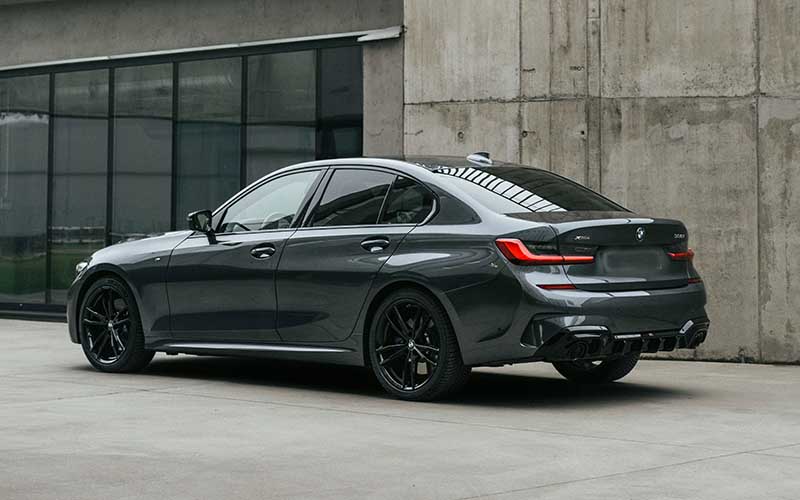
The BMW G20 3 Series, introduced in 2019, is one of the most popular executive saloons on the market. Combining modern technology, excellent driving dynamics and a range of efficient yet powerful engines, it represents a significant improvement over the previous F30 generation. However, like any modern vehicle, the G20 is not without its weaknesses.
Although generally considered a well-engineered car, several components can develop problems as mileage increases. Whether you own a 318d, 320d, 330i or the more powerful M340i, knowing what to look out for can help you avoid expensive repair bills.
Here are five of the most common things that can go wrong with a BMW G20 3 Series.
1. Cooling System Problems and Coolant Leaks
One of the most important areas to keep an eye on is the cooling system. Various G20 models, particularly those fitted with the B48 four-cylinder and B58 six-cylinder petrol engines, can experience coolant leaks as components age.
Common problem areas include the water pump, coolant hoses, expansion tank and oil filter housing. The plastic components and connections used throughout the cooling system can become brittle over time, eventually resulting in leaks.
A cracked or leaking oil filter housing is another issue worth mentioning. Depending on the engine, this component incorporates coolant passages and can develop leaks that are not always immediately obvious.
Typical warning signs include a low coolant warning on the dashboard, a sweet smell coming from the engine bay, visible coolant underneath the vehicle or unexplained coolant loss.
Ignoring these symptoms can lead to overheating and potentially serious engine damage. If you notice the coolant level dropping repeatedly, have the system pressure-tested by a BMW specialist rather than simply topping it up.
2. Oil Leaks from the Oil Filter Housing and Valve Cover
Oil leaks are another problem that G20 owners should be aware of, particularly as the vehicle approaches higher mileage.
The oil filter housing and valve cover are two areas worth inspecting. On B48 and B58 engines, oil filter housing leaks can occur due to deteriorating seals or problems with the housing itself. The valve cover gasket can also deteriorate with age and heat cycles, allowing engine oil to escape.
On some B58 engines, crankcase ventilation (PCV) problems can also develop. The PCV system regulates pressure inside the engine, and a faulty valve can contribute to oil consumption, leaks and uneven engine operation.
Symptoms include a burning oil smell, visible oil around the engine, smoke from the engine bay and unexplained drops in engine oil level.
These leaks should not be ignored. Oil reaching hot engine components can produce unpleasant smells and smoke, while insufficient oil levels can cause serious internal engine damage.
Regular inspections and addressing minor leaks early can prevent a relatively straightforward repair from becoming a much more expensive problem.
3. Suspension and Steering Component Wear
The BMW G20 is designed to deliver a comfortable ride while maintaining the sporty handling expected from a 3 Series. However, its suspension components are subject to considerable stress, particularly on vehicles regularly driven on poor road surfaces.
Common wear points include suspension bushes, control arms, ball joints, shock absorbers and associated mounting components.
As these parts deteriorate, you may notice knocking noises over bumps, creaking when turning, excessive vibration through the steering wheel or reduced stability when driving at higher speeds.
Wheel alignment problems can also develop, sometimes resulting in uneven tyre wear and a vehicle that pulls slightly to one side.
Steering-related issues and suspension noises should be investigated rather than dismissed as normal characteristics of the car.
During a pre-purchase inspection, pay particular attention to the condition of the front suspension, check for uneven tyre wear and listen carefully when driving over uneven surfaces.
Replacing worn components promptly helps maintain the G20’s handling, comfort and overall driving safety.
4. iDrive, Electrical and Infotainment Problems
Modern BMWs rely heavily on electronic systems, and the G20 is no exception. Its infotainment system, digital instrument cluster, driver assistance features and various comfort functions all depend on complex electronic components and software.
Some owners of earlier G20 models have reported iDrive glitches, connectivity problems and occasional software-related faults.
Common complaints include Apple CarPlay or Android Auto connectivity dropping unexpectedly, infotainment screens freezing or restarting, Bluetooth connection issues and occasional problems with the audio system.
Other reported issues include parking sensor faults, driver assistance warnings and problems with electrically operated mirrors.
Not every electronic fault means a component has failed. In many cases, outdated software, a weak battery or a temporary communication issue between control modules can be responsible.
Before replacing expensive electronic components, it is worth having the vehicle scanned using BMW diagnostic equipment and checking whether software updates are available.
A proper battery health check is also recommended, as modern BMW electrical systems can behave unpredictably when battery voltage is low.
5. Diesel Emissions System Problems
For owners of diesel-powered G20 models, particularly the 318d and 320d, emissions-related components are another area to watch.
Modern BMW diesels use several systems to reduce harmful emissions, including the diesel particulate filter (DPF), exhaust gas recirculation (EGR) system and NOx sensors.
The DPF can become clogged if the vehicle is regularly used for short journeys where the exhaust does not reach the temperatures required for successful regeneration.
Typical symptoms include increased fuel consumption, reduced engine performance, warning lights and frequent or unsuccessful regeneration cycles.
EGR-related problems can also develop, while faulty NOx sensors may trigger engine management warnings or emissions system faults.
These problems are particularly relevant to vehicles used mainly for urban driving.
Regular longer journeys can help the DPF complete its regeneration process, although they will not resolve an already blocked filter or faulty sensor. If warning lights appear, proper diagnostics should identify the underlying cause before parts are replaced.
The BMW G20 3 Series remains an excellent all-round executive car, offering a strong combination of performance, comfort and technology. However, cooling system leaks, oil leaks, suspension wear, electronic glitches and diesel emissions problems are all worth keeping in mind.
The good news is that most of these issues can be identified early through regular servicing and preventative maintenance.
If you are considering buying a used G20, always check its service history, inspect the cooling system, look for oil leaks and arrange a comprehensive diagnostic inspection.
A well-maintained G20 can provide many years of enjoyable motoring. Understanding its common weaknesses is simply the best way to keep repair costs under control and enjoy everything this generation of 3 Series has to offer.