Selling a high-performance car requires a different approach than selling an ordinary vehicle. Buyers in this market are typically more knowledgeable, more selective, and willing to invest significant money if they believe the vehicle has been well maintained and accurately represented. A successful sale depends on preparation, transparency, and understanding what serious enthusiasts value most.
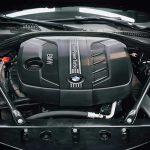
The first step is ensuring the vehicle is in excellent condition. While minor cosmetic imperfections are expected on older performance vehicles, a clean and well-presented car creates a strong first impression. Thoroughly wash and detail both the exterior and interior, paying attention to areas that are often overlooked, such as wheels, engine bay, glass, and upholstery. A professionally cleaned vehicle can appear significantly more valuable and demonstrate that it has been cared for throughout its life.
Maintenance records are equally important. Buyers of high-performance cars often expect comprehensive documentation showing routine servicing, repairs, and any upgrades. Organized records help establish trust and reduce uncertainty. If major maintenance has recently been completed, such as brake replacement, suspension work, or engine servicing, highlight this information clearly. Evidence that the car has been maintained according to recommended schedules can justify a higher asking price.
Pricing the vehicle accurately is another critical factor. Setting the price too high may discourage potential buyers, while pricing it too low could raise concerns about hidden problems. Research recent sales of vehicles with similar age, mileage, condition, and specifications. Consider factors such as limited production numbers, factory options, documented ownership history, and overall originality when determining a fair market value.
High-quality photographs are essential. Capture the vehicle in good natural lighting from multiple angles, including the front, rear, sides, interior, engine compartment, wheels, trunk, and undercarriage if possible. Include close-up images of any imperfections instead of attempting to hide them. Honest presentation builds confidence and reduces the likelihood of disputes later in the process.
A detailed description should accompany the listing. Include information such as model year, mileage, ownership history, maintenance history, accident history, modifications, service intervals, tire condition, and any aftermarket components. If modifications have been made, explain whether original parts are available and whether the upgrades were professionally installed. Many buyers appreciate tasteful, documented improvements, while others prefer vehicles in original condition. Providing complete information allows buyers to determine whether the car meets their expectations.
Transparency is especially important when discussing flaws. Every used vehicle has some wear, and experienced buyers expect honesty rather than perfection. Clearly disclose mechanical issues, cosmetic damage, warning lights, or upcoming maintenance requirements. Being upfront can save time by attracting genuinely interested buyers instead of those who may walk away after an inspection.
When responding to inquiries, answer questions promptly and professionally. Serious buyers often request additional photos, maintenance records, or vehicle history details before arranging a viewing. Providing accurate information quickly demonstrates that you are organized and trustworthy. Avoid exaggerating the vehicle’s performance or condition, as unrealistic claims can reduce credibility.
Meeting prospective buyers should be done safely. Arrange viewings in public locations whenever possible and verify that anyone requesting a test drive holds a valid driver’s license and appropriate insurance coverage if required. Accompany the buyer during the test drive and agree on a suitable route beforehand. Because high-performance vehicles accelerate quickly and can attract unwanted attention, establish expectations regarding responsible driving before the journey begins.
Negotiation is a normal part of the selling process. Decide in advance the lowest price you are willing to accept and remain consistent throughout discussions. Buyers may point out minor imperfections to justify a lower offer, so understanding your vehicle’s strengths and market value helps you negotiate confidently. Remaining courteous and respectful often leads to a smoother transaction than adopting an aggressive bargaining approach.
Once a price has been agreed upon, complete the sale carefully. Prepare all required ownership documents, maintenance records, spare keys, manuals, and any additional accessories that belong with the vehicle. Verify that payment has been received securely before transferring ownership or handing over the keys. Keep copies of all relevant paperwork for your own records, including a signed bill of sale if applicable.
Finally, remember that reputation matters. An honest seller who accurately describes the vehicle, communicates openly, and provides complete documentation is far more likely to achieve a successful sale. High-performance cars attract passionate buyers who appreciate attention to detail, and demonstrating that the vehicle has been responsibly owned often proves just as valuable as the car itself. By investing time in preparation, presenting the vehicle professionally, and conducting the transaction carefully, sellers can maximize both buyer confidence and the final selling price while ensuring a positive experience for everyone involved.