When buying a BMW, one of the biggest decisions you’ll face is choosing between a manual and an automatic transmission. While both options deliver the brand’s signature driving dynamics, they offer very different experiences behind the wheel. Your choice will depend on your driving style, daily commute, performance expectations, and personal preferences.
For decades, BMW earned a reputation for producing some of the world’s most engaging manual sports sedans and coupes. The famous slogan “The Ultimate Driving Machine” was closely associated with precise manual gearboxes and balanced rear-wheel-drive handling. However, modern automatic transmissions have advanced dramatically, becoming faster, more efficient, and often outperforming manuals in both acceleration and fuel economy.
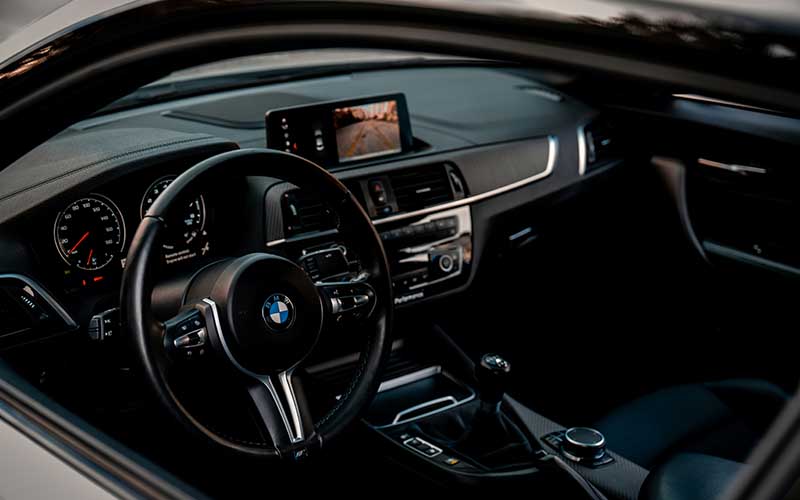
A manual transmission gives the driver complete control over gear selection. Every shift requires the use of a clutch pedal and gear lever, creating a more involved driving experience. Many enthusiasts appreciate the connection between driver and vehicle that a manual provides. Shifting gears yourself allows for better control on winding roads, during spirited driving, or even on the track. For many BMW fans, mastering a smooth downshift or perfectly timed upshift is part of the enjoyment of ownership.
Manual transmissions also tend to have simpler mechanical designs compared to automatics. This simplicity can sometimes result in lower maintenance costs, although clutch replacements are eventually required depending on driving habits. Older BMW manuals are often praised for their durability, making them popular choices among enthusiasts looking for long-term ownership.
On the other hand, automatic transmissions have become the preferred choice for the vast majority of BMW buyers. Modern BMW automatic gearboxes, particularly the eight-speed automatic used in many models, deliver exceptionally quick and smooth shifts. In everyday traffic, an automatic provides greater comfort by eliminating the need to constantly operate the clutch. This makes city driving less tiring, especially during heavy congestion.
Performance is another area where modern automatics excel. Advanced transmission software can shift gears faster than most drivers can with a manual, leading to quicker acceleration and improved consistency. Many BMW performance models achieve their best acceleration figures using automatic transmissions because gear changes happen almost instantly with minimal interruption in power delivery.
Fuel efficiency has also improved significantly with automatic technology. Modern transmissions feature more gears, allowing the engine to operate at optimal RPMs during both highway cruising and city driving. As a result, many automatic BMW models now match or even exceed the fuel economy of their manual counterparts.
Another advantage of automatic BMWs is the availability of multiple driving modes. Drivers can choose between Comfort, Sport, and Eco Pro settings, allowing the transmission to adapt its shift points based on driving conditions. Many models also include paddle shifters mounted behind the steering wheel, providing manual gear selection without requiring a clutch pedal. This offers a balance between convenience and driver involvement.
Despite these advantages, manuals still appeal to drivers who value engagement over outright speed. A manual BMW often creates a stronger emotional connection with the car because every shift requires skill and attention. Many owners enjoy the sense of accomplishment that comes from driving a manual well, particularly on scenic roads where the driving experience matters more than lap times or acceleration statistics.
Availability is another factor worth considering. In recent years, BMW has gradually reduced the number of models offered with manual transmissions. Many SUVs and luxury-focused models are now automatic-only, while manuals remain available on only a handful of enthusiast-oriented vehicles. As a result, finding a new manual BMW may require more research, and used manual models have become increasingly desirable among collectors and driving enthusiasts.
Maintenance costs can vary depending on the transmission type. Automatic transmissions contain more complex hydraulic and electronic components, which can make repairs more expensive if problems arise. However, modern BMW automatic gearboxes are generally reliable when properly maintained. Manual transmissions are mechanically simpler but require eventual clutch replacement, particularly if driven aggressively or frequently in stop-and-go traffic.
Ultimately, neither transmission is objectively better for every driver. If your priority is maximum driver engagement, greater control, and the satisfaction of shifting gears yourself, a manual BMW remains an excellent choice. If you value convenience, smoother daily driving, quicker acceleration, and the latest transmission technology, an automatic is likely the better option.
In today’s market, automatic transmissions dominate new BMW sales because they combine impressive performance with everyday practicality. Nevertheless, manual BMWs continue to hold a special place among enthusiasts who believe that driving should be an active and rewarding experience. The best choice comes down to how you plan to use your vehicle and what you enjoy most when you’re behind the wheel.
Whether you choose manual or automatic, BMW continues to produce vehicles that prioritize balance, precision, and driving enjoyment. Selecting the transmission that best matches your lifestyle will ensure you get the most satisfaction from your BMW ownership experience.